- Products
- Service
- Expertise
- Learning Center
- fischer group
- Press Releases
- References
- Home
- References
- St. Pauli Elbtunnel: Masterpiece of Engineering Art

Hamburg - the city of superlatives: the largest port, the biggest warehouses, the most media companies, the largest entertainment district, the most famous musicals. But that is not all.
The Hafen City also has a masterpiece of engineering to offer: the St. Pauli Elbe Tunnel, which went into operation in 1911.
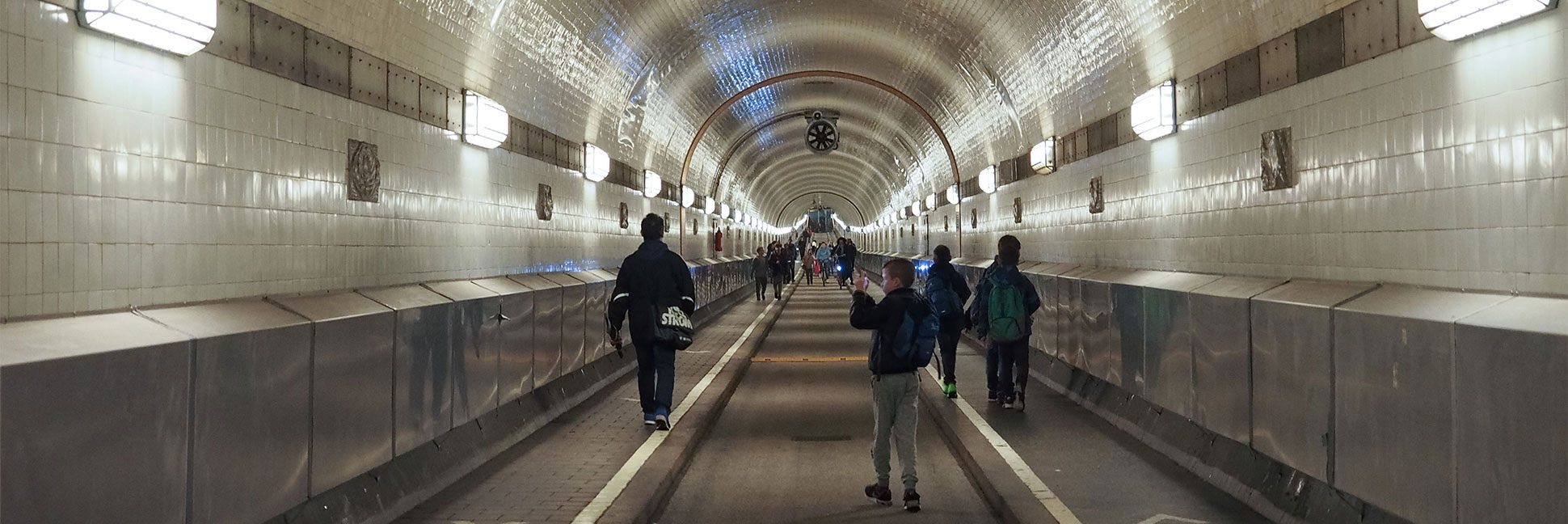
Two tunnel tubes connect the northern harbour edge at the St. Pauli landing bridges with the Elbe island Steinwerder over a length of 426.5 metres.
A route that, at the commissioning of the underwater passage on 7 September 1911, was crossed by around 45,000 people daily. It was the expansion of the “Gateway to the World” that motivated the construction of the Elbe Tunnel. The number of workers who had to get from the city to the port and the shipyards grew.
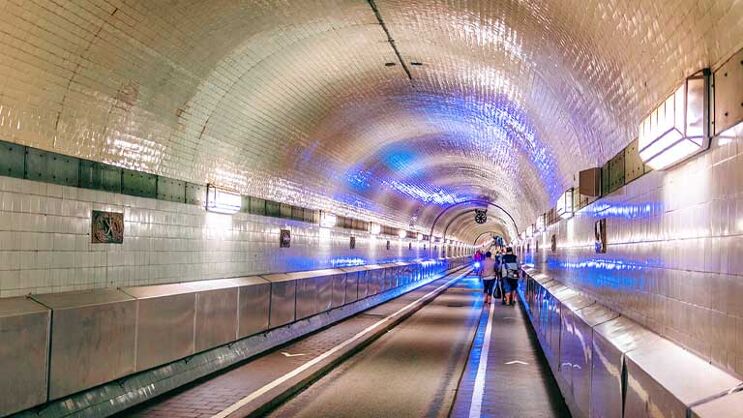
This first river tunnel in Europe at the time was a technical sensation and was constructed under the direction of the master builder Otto von Stockhausen. A hydraulically driven tunneling shield had bored the tubes with a diameter of around 6 meters through the ground (shield tunneling method).
Approximately 4,400 workers were involved in the project, shoveling sand and soil out of the way in front of the tunneling shield. The resulting cavity was secured with riveted iron segments (precursors of today's tunnel segments).
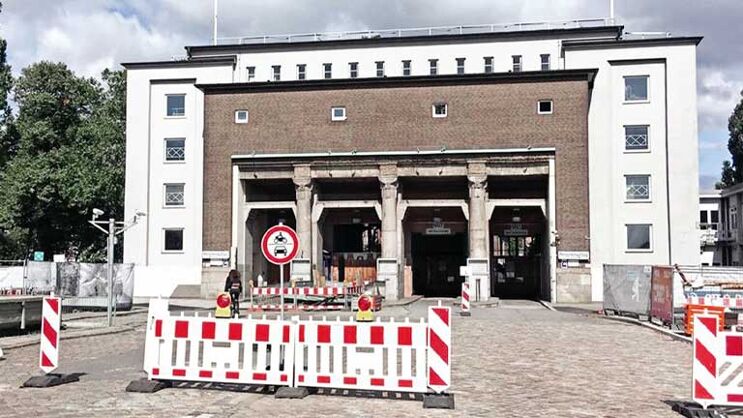
The compressed air method prevented water ingress through the sandy subsoil by means of overpressure. Architecturally, the tunnel impresses then as now: an antique-looking round building with a domed roof on the Landungsbrücken side leads to the Elbe underpass. On the island of Steinwerder is the southern entrance, which was heavily damaged during the Second World War.
Originally, both buildings were designed identically. However, those on Steinwerder were made of red brick, thus blending into the appearance of the surrounding customs and shipyard buildings.
In St. Pauli, tuff stone, basalt, and granite were used, which visually matched the Landungsbrücken.
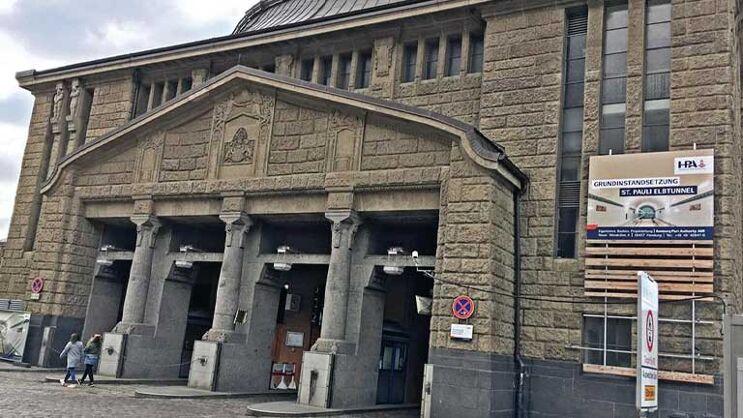
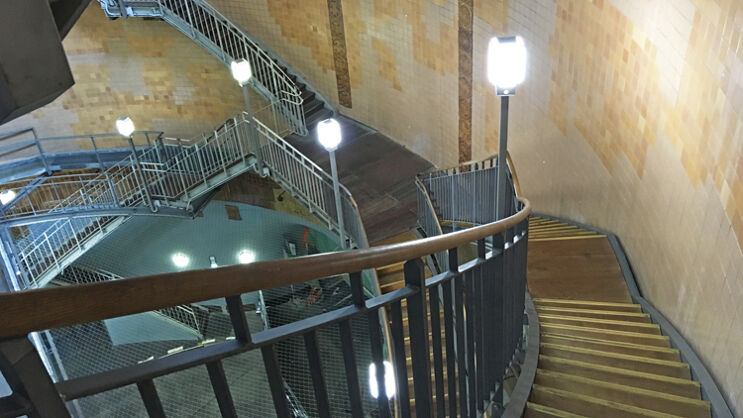
Your four cabins for carts and bicycles, two small passenger elevators, and stairs lead almost 24 meters deep into the shaft buildings. From there, pedestrians enter the brightly tiled tunnel, decorated with stoneware reliefs depicting the world of the Elbe with maritime motifs such as sea creatures.
Today, the underwater tunnel has largely lost its infrastructural significance, among other things due to the construction of the New Elbe Tunnel.
However, it is still crossed daily by numerous tourists, cyclists, and pedestrians, while it is soon to be permanently closed to vehicles. As a landmark and popular attraction of Hamburg as well as a sought-after location for events, film shoots, and photo shoots, the Old Elbe Tunnel is indispensable to the city.
Since 2003, it has been a listed monument and since 2011 it has carried the designation “Historic Landmark of Engineering in Germany” from the Federal Chamber of Engineers and the Hamburg Chamber of Engineers-Bau.
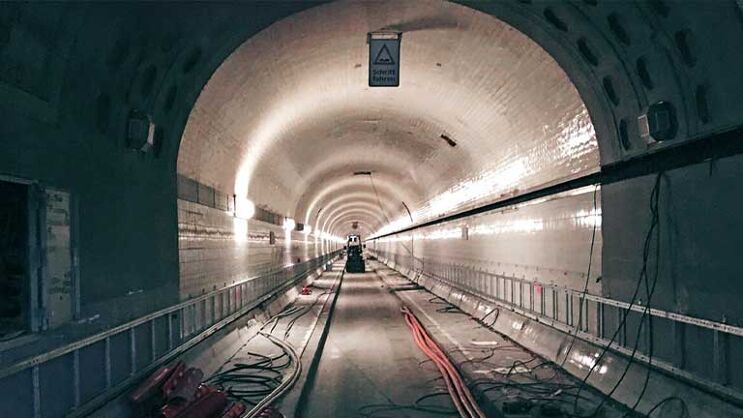
A great responsibility and a structural engineering challenge for the Hamburg Port Authority (HPA), which plans and supervises the extensive repair work on the St. Pauli Elbe Tunnel on behalf of the Hanseatic City. The entire segmental lining construction has already been exposed and inspected in the east tube, riveted and bolted connections have been replaced, and joints sealed.
In addition, in coordination with the heritage conservation authorities, wall tiles, the roadway, and lighting were renewed or restored according to the historical model. Furthermore, the tunnel was equipped with modern technology including an automatic counting system, smoke detectors, and much more.
After the renovation of the east tube was successfully completed and reopened on April 26, the repair measures have continued in the west tube since June 3, 2018.
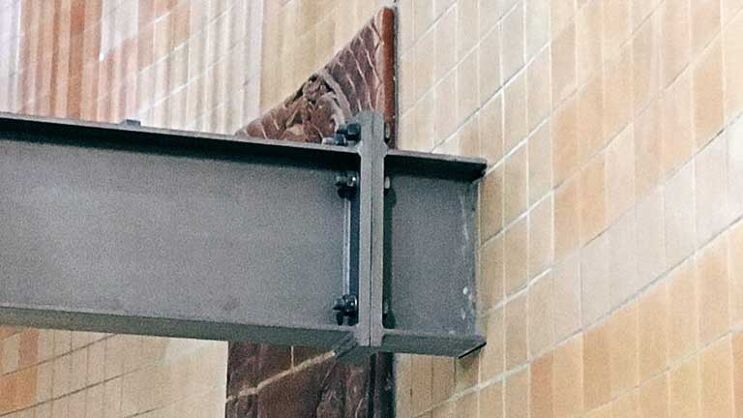
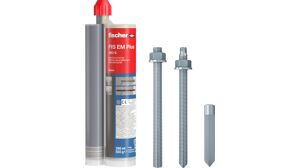
As part of the tunnel refurbishment, two staircases for pedestrians are also being newly constructed. To secure the approximately 20-meter-high structure on the south side, the fischer injection mortar FIS EM Plus was used together with an M27 threaded rod.
"Even under extreme conditions such as in earthquake-prone areas, the chemical anchoring system is a reliable choice to permanently and safely transfer heavy loads into concrete," emphasizes Arne Saggau, fischer application technician in the field service, who was significantly involved in the project.