- Products
- Service
- Expertise
- Learning Center
- fischer group
- Press Releases
- References
- Home
- References
- 23-07-17-Swinetunnel-Polen

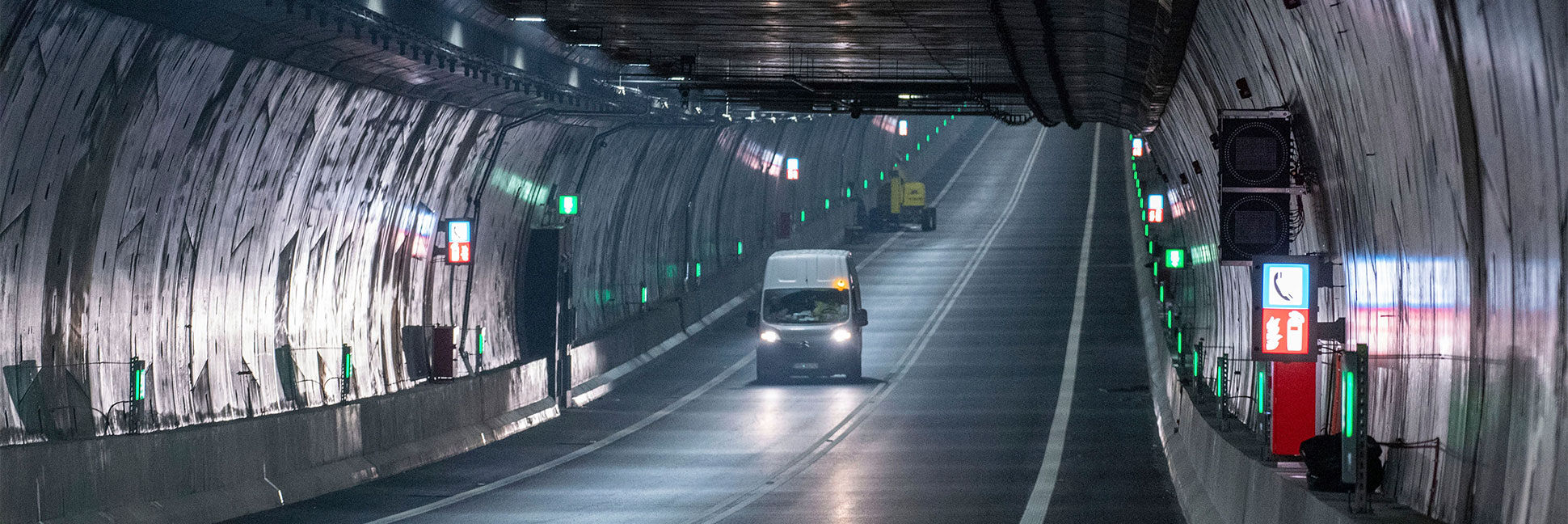
A new underwater route connects people: On June 30, the Swinetunnel was opened to traffic. Poland's longest underwater tunnel to date runs between the islands of Usedom and Wollin in the city of Swinoujscie. The product and service expertise of the fastening specialist fischer made a significant contribution to the successful completion of the project. More than 50,000 fischer heavy-duty fasteners were installed in the tunnel.
Copyright title image: picture alliance/dpa / Stefan Sauer
fischer fastening solutions meet all requirements
“We are proud that with our fastening solutions we have met the demands and requirements during the construction of the Swinetunnel and were able to support our clients with our product and service expertise from planning through on-site support to successful project completion,” emphasizes Oliwer Pietrzak, sales representative of the fischer national company in Poland.
“Our involvement began with consulting and designing the most suitable fastening solutions in collaboration with the planning office. Throughout all further construction phases, we stood by our clients as a fastening partner, offering technical advice and support on site and assisting in the successful implementation of all fastening tasks.”

One of the longest underwater tunnels in Europe:
The underpass connects the islands of Usedom and Wollin, which are also divided into the west and east parts of the city of Swinemünde (Świnoujście). At the same time, the Swinetunnel improves the infrastructural connection of the coastal region to the mainland and to the world. It facilitates travel for the many commuters between Swinemünde and Szczecin, as well as tourists. The route relieves border traffic between Poland and Germany and opens up new prospects for economic growth and new jobs in the region.
The car journey through the tunnel including the entrance area takes only three to four minutes. This significantly increases efficiency compared to the ferry, which crosses the Swine river in 40 minutes. Especially since the crossing can be completely prevented by bad weather and in the summer season even required waiting times of two to four hours.
The underwater tunnel is part of the Polish expressway S3, which connects the north with the south of Poland and runs from the west part of the city of Swinemünde on the island of Usedom to Liebau in Silesia at the Czech-Polish border.
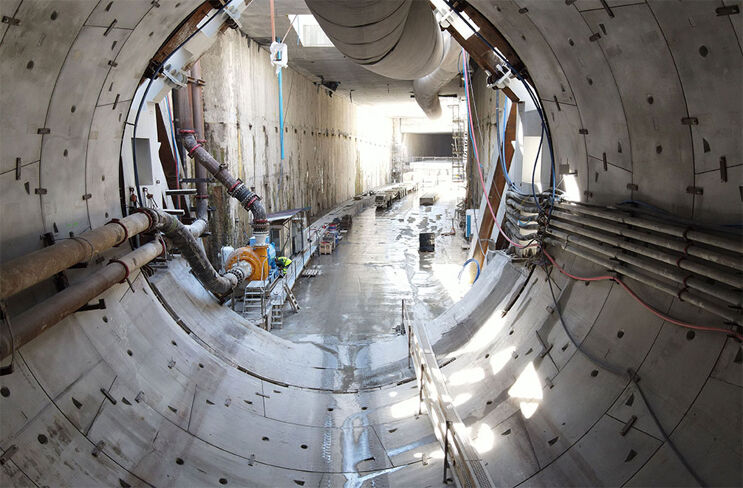
1.8 kilometres long - 12 m diameter main tunnel tube
In November 2019, the initial preparatory work began on the tunnel, which was completed in May 2023. On 30 June this year, Poland celebrated the opening of the Swinetunnel and opened it for public traffic.
A 12 m diameter two-lane main tunnel tube and a parallel emergency tunnel were constructed. The road tunnel, including the entrance sections, extends to just under 1.8 km in total. It passes under the Swine at depths of up to 37.5 m below the water surface and 11 m below the riverbed.
A TBM (tunnel boring machine) was used for the excavation of around 1.5 kilometres during the construction of the Swinetunnel. Additionally, the cut-and-cover method was employed in the tunnel construction. Excavation and construction took place under a cover slab that was cast onto diaphragm walls. This construction method allowed the excavation pit to be braced and the area above the launch shafts on the islands of Usedom and Wollin to be used during tunnel construction.
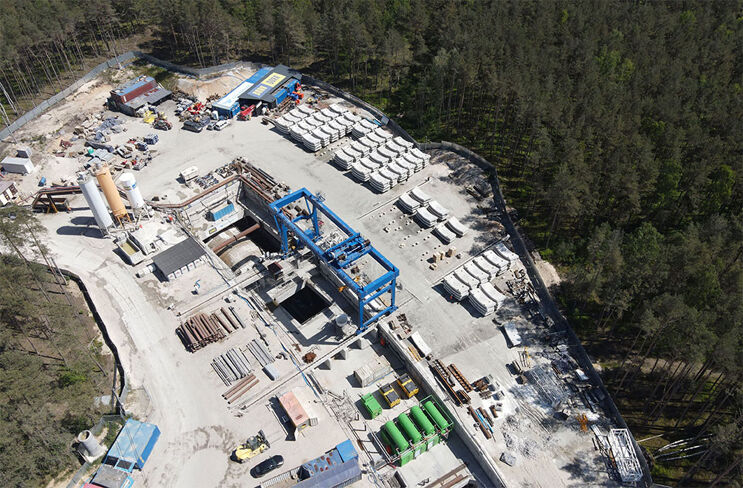
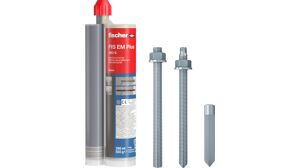
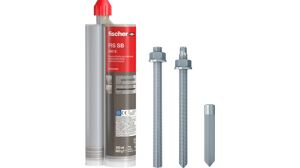
In addition, the fischer Superbond mortar FIS SB was installed together with system components in the Swinetunnel. The fastening system achieves a very high bond stress with its silane technology for strong performance and high safety, confirmed by the ETA for concrete as well as for seismic loads.
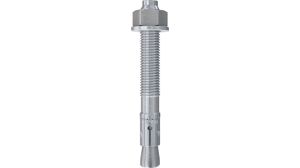
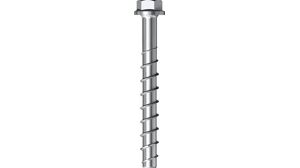
The variable anchoring depths of the injection mortar optimise installation time and material consumption. In addition, mechanical anchoring solutions were also used in the Swinetunnel, such as the fischer bolt anchors FBN II, FBZ and FAZ II as well as the fischer concrete screws UltraCut FBS II. For example, significant quantities of FAZ II and UltraCut FBS II were used to install the supports for the system that powers the TBM operation.